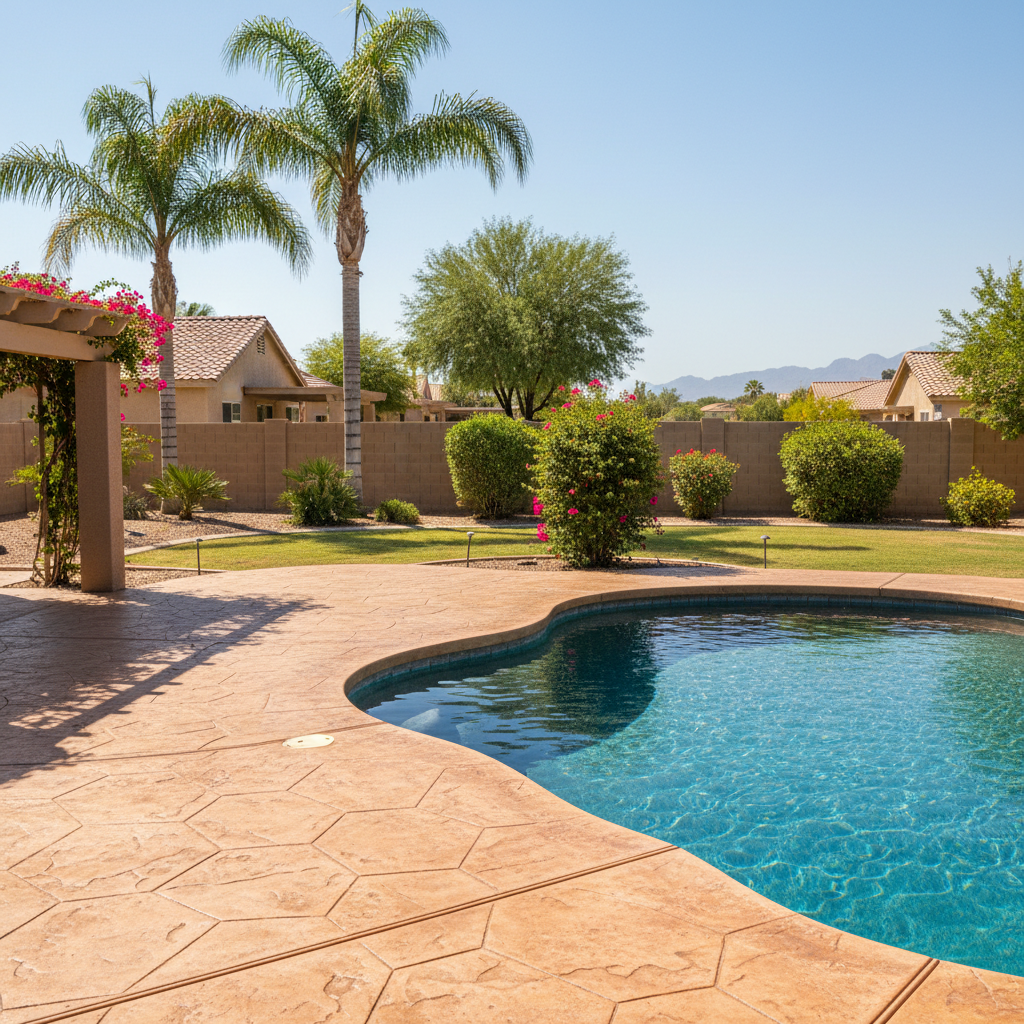
Pouring concrete around here isn't quite like laying a sidewalk back east, is it? Our Glendale weather is a beast of its own, and if you don't really think about it, you'll end up with concrete that cracks, spalls, or just doesn't hold up. Believe me, I've seen it way too many times. You want your new patio or driveway to last for years, right? That means knowing when to schedule, what conditions truly matter, and how to keep it protected all year long.
When's the Best Time to Pour Concrete in Glendale?
Let's be straight: the absolute best time for concrete installation in Glendale is during the milder parts of the year. We're talking fall and spring. These seasons give us the best shot at temperatures that are just right for proper curing.
- Fall (September-November): This is usually your sweet spot, no doubt about it. Temperatures typically hover between 70-90°F, which is perfect for controlled curing. Humidity is lower, and we're generally past the worst of monsoon season, meaning fewer nasty surprises. Plus, those cooler nights? They help slow the curing process, leading to stronger, more durable concrete.
- Spring (March-May): Another excellent window. The temperatures are mild, and things are pretty stable. This allows the concrete to cure nicely before that brutal summer heat kicks in. Just keep an eye out for those unpredictable spring rains; wet ground can definitely complicate things.
So, why are these times better? Well, concrete doesn't just dry; it cures through a chemical reaction that needs the right balance of temperature and moisture. If it's too hot, it dries way too fast, causing shrinkage cracks and a weaker surface. Too cold, and it just won't gain strength like it should.
Weather Conditions That Affect the Work
Our desert climate sure throws some curveballs, and you need a contractor who knows how to catch them. Here's what we're always keeping an eye on:
- Extreme Heat: Glendale summers are absolutely no joke. Surface temperatures can easily hit 150°F or more from May through September. This intense heat makes moisture evaporate super fast during curing, which speeds up the formation of tiny cracks. If we absolutely have to pour in summer, we start early in the day when the temps are lowest. We use special tricks like misting systems to keep the concrete moist and slow down drying. We also use curing compounds or cover the fresh concrete to hold in that precious moisture.
- Monsoon Season (July-September): This one's tricky, very tricky. Sudden, heavy downpours can dump inches of rain in an hour. Water can sneak into existing cracks and work its way under slabs. This is especially problematic in areas with expansive clay soils, like parts of Fletcher Heights or near the New River, where the soil swells when wet and shrinks when dry, causing movement that cracks slabs from below. We definitely try to avoid pouring when active monsoon forecasts are looming.
- Wind: Even on mild days, wind can speed up evaporation, leading to cracking. We deal with this using curing compounds and by covering the surface.
Protecting Your Concrete Investment Year-Round
Once your concrete is in, the job isn't finished. Glendale's climate keeps working on it, so you really need to protect your investment.
Sealing is a Must
This is probably the most important thing you can do, hands down. A high-quality, UV-resistant concrete sealer applied every 2-3 years protects against sun damage, keeps moisture out, and helps reflect those harsh UV rays. It'll keep your concrete looking good and prevent it from wearing out too soon. For spots like your garage or patio, heat-hardy epoxy systems are specifically made for our extreme sun, stopping the peeling, fading, and cracking that standard coatings might experience.
Proper Drainage and Expansion Joints
Remember those monsoon downpours? You absolutely need proper drainage to stop water from pooling around your concrete, especially if you're in an older neighborhood where driveways might not have enough slope. And those wild temperature swings from winter lows to summer highs? They make concrete expand and contract. Good expansion joints are crucial to handle this movement and prevent buckling or cracking.
Regular Cleaning and Inspection
Keep your concrete clean. Desert dust and debris can be abrasive, and stains from oil or other spills can break down the surface. Regular sweeping and an occasional wash with mild detergent will go a long way. Also, take a walk around your property every few months. Catching hairline cracks early and sealing them can keep them from turning into bigger, more expensive problems down the road.
At Glendale Concrete Group, we're not just pouring concrete; we're building surfaces that truly last in this one-of-a-kind desert environment. We know the local soil conditions, the intense heat, and the monsoon patterns, and we factor all of that into every single job. If you're looking for concrete work that's done right the first time, built to handle Glendale, you know who to call.