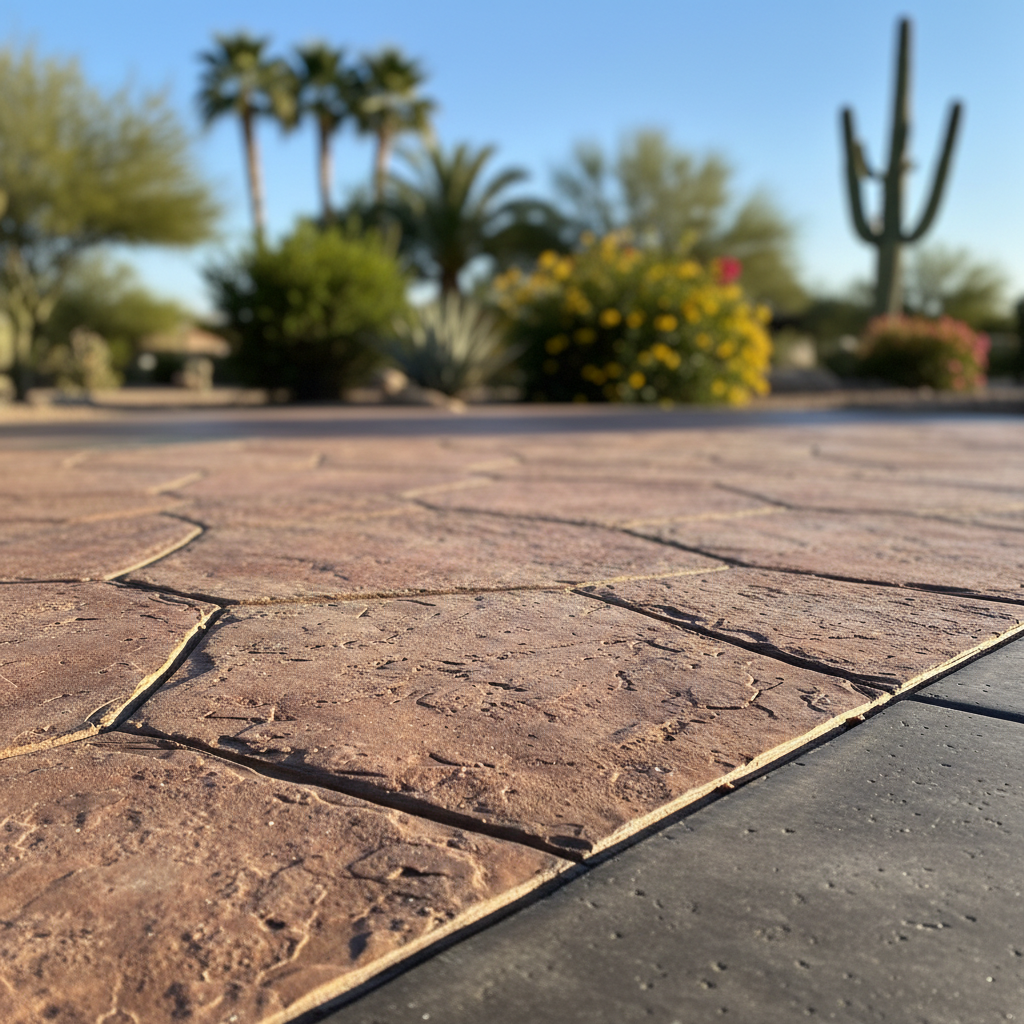
Alright, Glendale homeowners, let's chat about decorative concrete. You've definitely spotted those amazing patios, walkways, and pool decks all over town, haven't you? The ones that look just like natural stone or fancy tile, but are actually concrete. It's a fantastic way to really boost your home's curb appeal and value, especially here in the Valley where outdoor living is, well, everything. But before you jump in, you really ought to know what you're signing up for. We're going to break down what you need to think about before, during, and after your decorative concrete project. And we'll also figure out when it's smart to tackle it yourself versus picking up the phone for a pro.
Before You Start: Planning Your Decorative Concrete Project
First things first, what kind of decorative concrete are we even talking about? There are quite a few choices out there. You've got:
- Stamped Concrete: This is where patterns and textures get pressed right into fresh concrete. It mimics brick, stone, wood, or even tile. Super popular for patios and driveways.
- Stained Concrete: Here, we use acid or water-based stains to create deep, translucent colors. Acid stains react with the concrete's minerals for a mottled, earthy look, while water-based stains offer a bigger palette. You can even do this on concrete that's already there.
- Exposed Aggregate: This means taking off the top layer of concrete to show off the cool decorative stones or pebbles underneath. It gives you a non-slip, textured surface, which is just perfect for pool decks or sidewalks.
- Concrete Overlays/Resurfacing: If your existing concrete is solid but just looks a bit tired or has some minor cracks, an overlay can give it a fresh, new decorative surface. No need to tear out the old slab, thankfully.
Now, for the million-dollar question: DIY or hire a pro?
For most decorative concrete techniques, especially stamped concrete or big staining jobs, you're usually better off calling in an expert. Stamped concrete, for instance, is pretty unforgiving. Any mistakes are permanent, and getting the slope just right for drainage – especially with our monsoon season – is absolutely crucial. Plus, working with fresh concrete is a race against the clock; you've only got a short window to get it poured, leveled, and stamped before it sets up. Professionals have the specialized tools, the experience, and the crew to handle that kind of pressure, believe me.
However, if you're looking at smaller projects like staining a little patio or a garage floor, or maybe a simple resurfacing job on a slab that's structurally sound, some DIY might be possible. Just remember, even staining can be tricky, and mistakes are, well, permanent.
During the Project: What to Expect and When to Step Back
Okay, so let's say you've picked your project. If you're going the professional route, Glendale Concrete Group will take care of everything, from getting the site ready to that final seal. This includes making sure the base is properly compacted (super important in our caliche soil!), handling the concrete pour, putting on the decorative finish, and sealing it to protect against our intense Arizona sun.
If you're tackling a smaller DIY project, like staining an existing concrete slab, here's what you need to keep in mind:
- Preparation is Key: This isn't just a quick sweep. You really need to clean the surface thoroughly, getting rid of any dirt, oil, or old sealers. A pressure washer is your best friend here, ideally 3000 PSI or higher. Any gunk will stop the stain from penetrating properly.
- Test, Test, Test: Always try your stain in a spot that won't be easily seen first. Concrete is porous, and every slab reacts differently. What looks great in a picture might not be the exact shade on your patio, you know?
- Application: Follow the manufacturer's instructions to the letter. Stains soak into the surface, so you usually can't just wipe away mistakes. Work in small sections and keep a wet edge to avoid those unsightly lap lines.
- Sealing: Once the stain is dry, you absolutely must seal it. This protects your beautiful new surface from UV rays, moisture, and everyday wear. In Glendale, with our brutal sun, a good quality, UV-resistant sealer isn't just recommended, it's non-negotiable.
For concrete resurfacing, sure, DIY kits are out there, but they're often just a temporary fix. The success of resurfacing really depends on proper preparation and how well it sticks. If the existing concrete has structural issues, deep cracks, or moves around, resurfacing won't fix it; you'll likely need a pro for a more substantial repair or even a replacement.
After the Project: Keeping Your Decorative Concrete Looking Great
You've put in the time and money to make your concrete look amazing. Now, how do you keep it that way, especially with our desert climate trying its hardest to fade and crack everything?
- Regular Cleaning: Decorative concrete is pretty low-maintenance, but it's not *no*-maintenance. Regular sweeping or dust mopping will stop dirt and grit from scratching the surface. For a deeper clean, use a pH-neutral cleaner and a damp mop. Stay away from harsh chemicals like bleach or ammonia; they can damage the sealer.
- Prompt Spill Cleanup: Spills happen, right? Blot them up quickly to prevent staining.
- Resealing: This is probably the most critical maintenance step here in Glendale. The Arizona sun is just relentless, and it will break down your sealer over time. Most decorative concrete surfaces need resealing every 2-3 years, sometimes more often for areas with heavy foot traffic or if they're constantly baking in direct sunlight. You can often do this yourself if you're comfortable with the cleaning and application process. Just make sure the surface is spotless and completely dry before putting on a new coat.
- Protect from Heavy Objects: Use felt pads under outdoor furniture to prevent scratches.
Decorative concrete, when it's done right and maintained well, can easily last for decades. It's a durable, attractive choice that holds up great to our Glendale heat, often offering a cooler surface than some traditional paving materials and resisting dust and dirt better. Whether you DIY a small part of it or trust Glendale Concrete Group to handle the whole shebang, you'll love the transformation.