What's the real deal with concrete cracking? Is it inevitable?
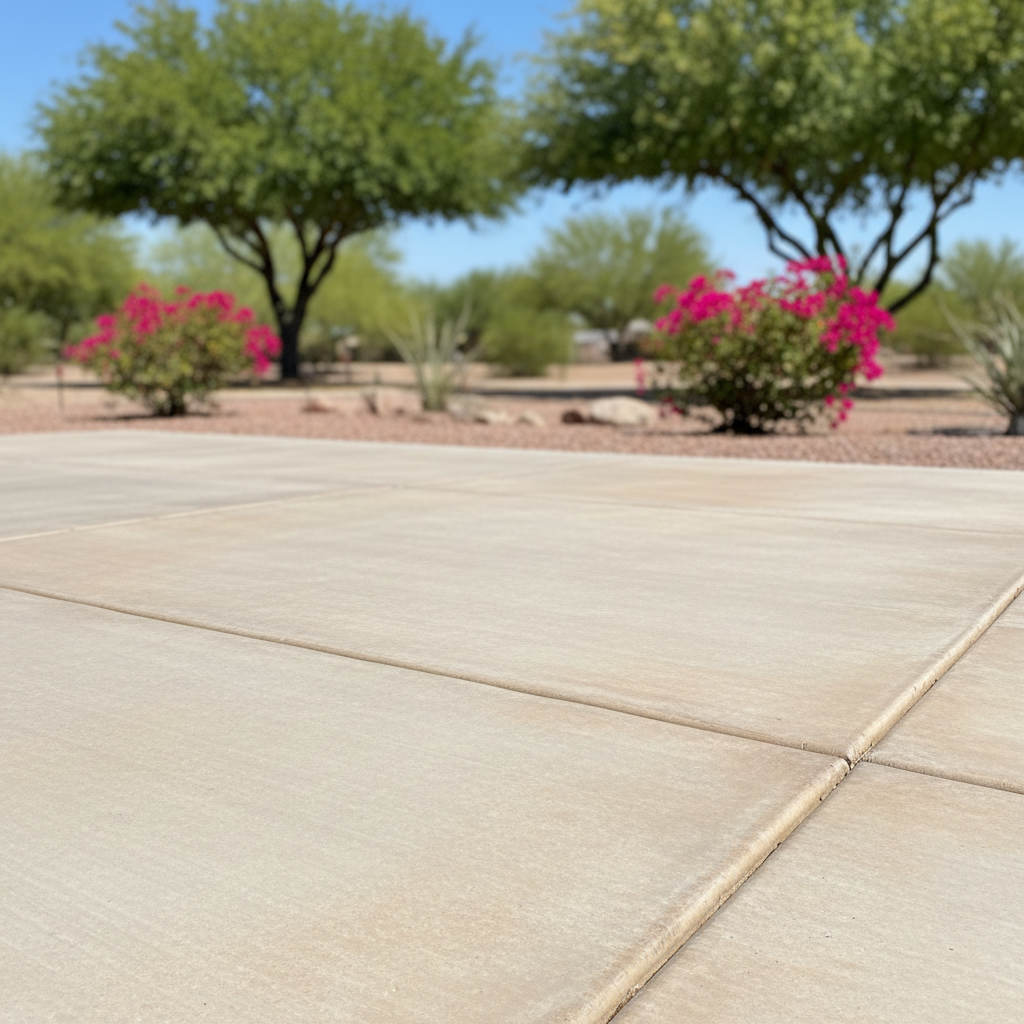
Alright, let's just get this out of the way first. You're probably wondering if your new concrete patio is going to crack. And the honest answer? Probably, eventually. Look, concrete is tough, but it's not magic. It expands and contracts with our wild temperature swings here in Glendale – 115 degrees in the summer, then down to 40 at night sometimes. That movement creates stress. The goal isn't to prevent all cracks, because that's just not realistic. The goal is to control where they happen and make sure they're minor.
We do this with proper sub-base preparation, the right concrete mix, and most importantly, control joints. Those cuts you see in concrete? They're not just for looks. They're telling the concrete, "Hey, if you're gonna crack, do it here." If a contractor tells you their concrete will *never* crack, they're either new to the business or not being straight with you. We aim for minimal, hairline cracks that don't affect the patio's function or appearance. That's the realistic expectation.
How long does a concrete patio really last in our Arizona climate?
A well-installed concrete patio here in Glendale can easily last 20-30 years, maybe even more. I've seen some that are pushing 40 and still doing their job. The key is that 'well-installed' part. It's not just about pouring concrete; it's about the prep work underneath. If the ground isn't properly compacted, or if there's poor drainage, you're going to have issues a lot sooner. Our intense sun and heat are tough on everything, but concrete is built for it, as long as it's done right. Regular cleaning and maybe a reseal every few years will help it look good and last even longer.
Can I put a concrete patio directly over my existing pavers or old concrete?
Short answer: No, you shouldn't. And if someone tells you they can, you should probably find a different contractor. Trying to pour new concrete over old, cracked concrete or uneven pavers is just asking for trouble. The old surface isn't stable, it's got its own issues, and those issues are just going to transfer right up into your new patio. You'll end up with cracks, uneven spots, and a whole lot of headaches.
The proper way to do it is to remove the old material, prepare the sub-base correctly – that means compacting the soil, adding gravel if needed, and making sure you have good drainage. It's more work upfront, but it saves you a ton of money and frustration down the road. Don't cut corners on the foundation; it's the most important part.
What's the deal with sealing? Do I really need to seal my concrete patio?
Absolutely, you do. Especially here in Glendale. Our sun is brutal, and it's not just about fading. A good quality sealer protects your concrete from UV damage, stains from spills (think BBQ grease or spilled drinks), and even helps with freeze-thaw cycles if we ever get a rare cold snap. It also makes it a lot easier to clean. Think of it like sunscreen for your patio. You wouldn't go out in July without it, right?
You'll want to reseal it every 2-5 years, depending on the type of sealer and how much traffic your patio gets. It's a relatively easy and inexpensive maintenance step that significantly extends the life and looks of your investment. Don't skip it.
How long until I can actually use my new patio?
This is a common one, and I get it – you're excited to start enjoying your new space! Generally, you can walk on your new concrete patio within 24-48 hours. But that's just for light foot traffic. You'll want to wait at least 7 days before putting heavy furniture on it, and usually 28 days for it to reach its full strength. That 28-day mark is when the concrete has fully cured. So, while it'll look solid pretty quickly, give it time to really harden up before you throw that big backyard party. Rushing it can cause damage that's tough to fix.
What's the best way to clean my concrete patio?
Keeping your patio clean is pretty straightforward. For general dirt and dust, a good sweep with a stiff broom and then a rinse with a garden hose usually does the trick. For tougher spots, like spilled food or a little bit of mold (especially if you've got a shaded area in a neighborhood like Yucca District), you can use a mild detergent and a scrub brush. Just make sure it's concrete-safe and won't strip your sealer.
For really stubborn stains or if you want a deeper clean, a pressure washer can be effective, but be careful with the pressure. Too high, and you can damage the surface or even etch the concrete. Start with a lower setting and work your way up. And remember, if your patio is sealed, cleaning is much, much easier.
What about drainage? How do you make sure water doesn't pool on my patio?
Drainage is critical, especially with our monsoon rains. You don't want water sitting on your patio, because it can lead to staining, slippery surfaces, and eventually, even undermine the concrete itself. The key is proper grading. We always make sure there's a slight slope, usually about 1/8 to 1/4 inch per foot, directing water away from your house and foundation.
Sometimes, depending on the layout of your yard or if you're tying into an existing landscape, we might need to incorporate a trench drain or channel drain. It's all about planning ahead and making sure that water has a clear path to get away. We'll assess your specific yard during the estimate to figure out the best drainage solution for your property. It's a fundamental part of a lasting patio, and something Glendale Concrete Group always pays close attention to.